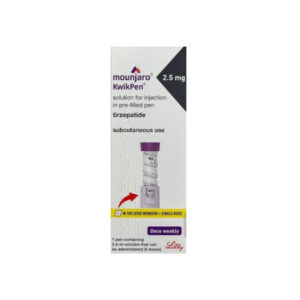
การออกฤทธิ์
Tirzepatide เป็น long-acting dual GIP and GLP-1 receptor agonist ออกฤทธิ์กระตุ้นทั้ง glucose-dependent insulinotropic polypeptide (GIP) receptor และ glucagon-like peptide-1 (GLP-1) receptor
ยาช่วยเพิ่มการหลั่งอินซูลินแบบขึ้นกับระดับน้ำตาล ลดการหลั่ง glucagon ชะลอการระบายอาหารออกจากกระเพาะ และลดความอยากอาหารหรือพลังงานที่รับประทาน จึงช่วยควบคุมระดับน้ำตาลและสนับสนุนการลดน้ำหนักในผู้ที่เข้าเกณฑ์การรักษา (Medicines.org.uk)
ขอบเขตการทำลายเชื้อ
ไม่มี
Tirzepatide ไม่ใช่ยาปฏิชีวนะ ยาต้านเชื้อรา หรือยาต้านไวรัส จึงไม่มีฤทธิ์ทำลายหรือยับยั้งเชื้อโรค
เภสัชจลนศาสตร์
หลังฉีดใต้ผิวหนัง Tirzepatide มีระดับยาสูงสุดในเลือดประมาณ 8–72 ชั่วโมง มี absolute bioavailability ประมาณ 80% และระดับยาเข้าสู่ steady state หลังฉีดสัปดาห์ละครั้งต่อเนื่องประมาณ 4 สัปดาห์
Tirzepatide จับกับ plasma albumin ประมาณ 99% ถูกเปลี่ยนแปลงผ่าน proteolytic cleavage, beta-oxidation และ amide hydrolysis และมีค่าครึ่งชีวิตประมาณ 5 วัน ทำให้สามารถให้ยาสัปดาห์ละครั้งได้ สารเมแทบอไลต์ถูกกำจัดทางปัสสาวะและอุจจาระ (Medicines.org.uk)
ข้อห้ามใช้
ห้ามใช้ในผู้ที่มีประวัติแพ้ Tirzepatide หรือส่วนประกอบของยา
ตามเอกสารกำกับยาของสหรัฐอเมริกา ห้ามใช้ในผู้ที่มี ประวัติส่วนตัวหรือครอบครัวเป็น medullary thyroid carcinoma (MTC) หรือเป็น Multiple Endocrine Neoplasia syndrome type 2 (MEN 2) เนื่องจากพบ thyroid C-cell tumors ในสัตว์ทดลอง แม้ยังไม่ทราบว่าความเสี่ยงดังกล่าวเกิดขึ้นในมนุษย์หรือไม่ (FDA Access Data)
ข้อความระวัง
ควรเฝ้าระวัง ตับอ่อนอักเสบเฉียบพลัน หากมีอาการปวดท้องรุนแรงและต่อเนื่อง โดยเฉพาะอาการที่อาจร้าวไปด้านหลัง ควรหยุดยาและเข้ารับการประเมินทางการแพทย์
อาการคลื่นไส้ อาเจียน และท้องเสียอาจทำให้ร่างกายขาดน้ำและมีผลต่อการทำงานของไต ควรระมัดระวังในผู้ที่มีโรคทางเดินอาหารรุนแรง รวมถึง severe gastroparesis
ผู้ที่จะเข้ารับการผ่าตัดหรือหัตถการที่ใช้ general anesthesia หรือ deep sedation ควรแจ้งบุคลากรทางการแพทย์ว่ากำลังใช้ Tirzepatide เนื่องจากการชะลอ gastric emptying อาจเพิ่มความเสี่ยงต่อ pulmonary aspiration (Medicines.org.uk)
การใช้ยาในระยะตั้งครรภ์และให้นมบุตร
การตั้งครรภ์: ไม่แนะนำให้ใช้ Tirzepatide ระหว่างตั้งครรภ์ เนื่องจากข้อมูลในมนุษย์ยังมีจำกัดและการศึกษาในสัตว์พบ reproductive toxicity หากวางแผนตั้งครรภ์ควรหยุดยาตามระยะเวลาที่เอกสารกำกับยากำหนดและคำแนะนำของแพทย์
การให้นมบุตร: ควรพิจารณาประโยชน์ของการให้นมบุตร ความจำเป็นในการรักษา และความเสี่ยงที่อาจเกิดขึ้นต่อทารกเป็นรายบุคคลร่วมกับบุคลากรทางการแพทย์ (Medicines.org.uk)
อาการข้างเคียง
อาการข้างเคียงที่พบบ่อย ได้แก่ คลื่นไส้ ท้องเสีย อาเจียน ท้องผูก ปวดท้อง อาหารไม่ย่อย ท้องอืด เรอ และความอยากอาหารลดลง โดยอาการทางระบบทางเดินอาหารมักพบมากขึ้นในช่วงไต่ขนาดยาและอาจลดลงเมื่อใช้ยาต่อเนื่อง
อาการอื่นที่อาจพบ ได้แก่ เวียนศีรษะ ความดันโลหิตต่ำ อ่อนเพลีย ปฏิกิริยาบริเวณฉีด นิ่วในถุงน้ำดี ถุงน้ำดีอักเสบ และผมร่วงในผู้ที่ใช้ยาเพื่อควบคุมน้ำหนัก
อาการไม่พึงประสงค์ที่สำคัญแต่พบไม่บ่อย ได้แก่ acute pancreatitis และอาการแพ้รุนแรง เช่น anaphylaxis หรือ angioedema (Medicines.org.uk)
การได้รับยาเกินขนาด
ยังไม่มียาต้านพิษจำเพาะสำหรับ Tirzepatide หากได้รับยาเกินขนาดควรให้การรักษาตามอาการและการประคับประคอง
เนื่องจากยามีค่าครึ่งชีวิตประมาณ 5 วัน อาจจำเป็นต้องติดตามอาการต่อเนื่องเป็นระยะเวลานานตามความเหมาะสมทางคลินิก (Medicines.org.uk)
ปฏิกิริยาระหว่างยา
Tirzepatide ชะลอการระบายอาหารออกจากกระเพาะ จึงอาจมีผลต่อ อัตราการดูดซึมของยารับประทาน โดยเฉพาะในช่วงเริ่มต้นการรักษาและหลังเพิ่มขนาดยา
เมื่อใช้ร่วมกับ insulin หรือ sulfonylurea ความเสี่ยงต่อภาวะน้ำตาลในเลือดต่ำจะเพิ่มขึ้น จึงอาจต้องพิจารณาลดขนาด insulin หรือ sulfonylurea
ควรติดตามยารับประทานที่มี narrow therapeutic index ตามความเหมาะสม และแจ้งแพทย์หรือเภสัชกรเกี่ยวกับยาทั้งหมดที่ใช้อยู่ (Medicines.org.uk)
Mechanism of Action
Tirzepatide is a long-acting dual GIP and GLP-1 receptor agonist that activates both glucose-dependent insulinotropic polypeptide (GIP) receptors and glucagon-like peptide-1 (GLP-1) receptors.
It enhances glucose-dependent insulin secretion, reduces glucagon secretion, delays gastric emptying, and decreases appetite and energy intake, thereby improving glycemic control and supporting weight reduction in eligible patients. (Medicines.org.uk)
Antimicrobial Spectrum
None.
Tirzepatide is not an antibiotic, antifungal, or antiviral agent and has no direct antimicrobial activity.
Pharmacokinetics
Following subcutaneous administration, maximum plasma concentrations are reached approximately 8–72 hours after dosing. Tirzepatide has an absolute bioavailability of approximately 80%, and steady-state exposure is achieved after approximately 4 weeks of once-weekly administration.
Tirzepatide is approximately 99% bound to plasma albumin and is metabolized by proteolytic cleavage of the peptide backbone, beta-oxidation, and amide hydrolysis. Its elimination half-life is approximately 5 days, supporting once-weekly dosing. Metabolites are eliminated in urine and feces. (Medicines.org.uk)
Contraindications
Tirzepatide is contraindicated in patients with known hypersensitivity to Tirzepatide or any component of the formulation.
U.S. prescribing information also contraindicates Tirzepatide in patients with a personal or family history of medullary thyroid carcinoma (MTC) or Multiple Endocrine Neoplasia syndrome type 2 (MEN 2). (FDA Access Data)
Precautions
Acute pancreatitis has been reported. Tirzepatide should be discontinued and prompt medical evaluation obtained if severe and persistent abdominal pain develops, particularly if the pain radiates to the back.
Nausea, vomiting, and diarrhea may cause dehydration and may impair renal function. Caution is warranted in patients with severe gastrointestinal disease, including severe gastroparesis.
Patients undergoing surgery or procedures requiring general anesthesia or deep sedation should inform their healthcare provider that they are receiving Tirzepatide because delayed gastric emptying may increase the risk of pulmonary aspiration. (Medicines.org.uk)
Use During Pregnancy and Breastfeeding
Pregnancy: Tirzepatide is not recommended during pregnancy. Treatment should be discontinued before a planned pregnancy in accordance with the applicable prescribing information and medical advice.
Breastfeeding: The benefits of breastfeeding, the clinical need for Tirzepatide, and any potential risks to the infant should be considered individually. (Medicines.org.uk)
Adverse Effects
Common adverse effects include nausea, diarrhea, vomiting, constipation, abdominal pain, dyspepsia, abdominal distension, belching, and decreased appetite.
Other adverse effects may include dizziness, hypotension, fatigue, injection-site reactions, gallstones, cholecystitis, and hair loss during weight-management treatment.
Clinically important but less common adverse reactions include acute pancreatitis and serious hypersensitivity reactions such as anaphylaxis and angioedema. (Medicines.org.uk)
Overdose
There is no specific antidote for Tirzepatide overdose.
Appropriate supportive and symptomatic treatment should be provided. Because Tirzepatide has an elimination half-life of approximately 5 days, prolonged clinical observation may be required. (Medicines.org.uk)
Drug Interactions
Tirzepatide delays gastric emptying and may alter the rate of absorption of orally administered medicines, particularly during treatment initiation and after dose escalation.
Concomitant administration with insulin or sulfonylureas may increase the risk of hypoglycemia, and dose reduction of these medicines may be necessary.
Appropriate monitoring should be considered for oral medicines with a narrow therapeutic index. (Medicines.org.uk)